

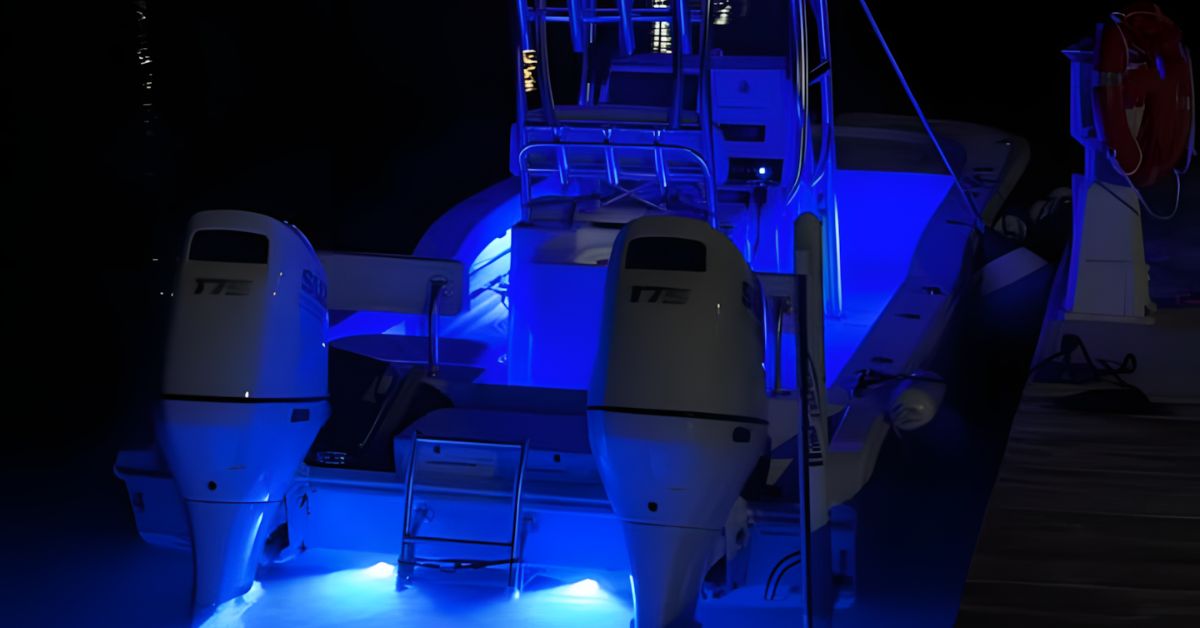
Imagine cutting through the pitch-black water, the only illumination coming from the stars above and the glow beneath your hull. This scenario is becoming increasingly common as more anglers and boating enthusiasts realize the transformative power of illumination below the waterline.
While standard navigation lights serve a mandatory function and deck lights offer practicality, underwater lighting occupies a unique niche that serves multiple purposes simultaneously. Whether you are a serious angler or a recreational boater, the benefits of adding underwater lights to your fishing boat are substantial and worth considering for your next upgrade.
Enhancing Visibility and Safety After Dark
Navigating open waters at night presents a unique set of challenges that daylight boaters never face. Depth perception disappears, and floating debris becomes nearly impossible to spot until it is too late. High-quality underwater lights create a halo of illumination around the hull, which significantly improves your ability to see what lies immediately beneath and around you. This added visibility is critical when you are maneuvering in shallow water or navigating through channels where submerged obstacles might damage your prop or hull.
Safety extends beyond just navigation. If you enjoy taking a swim off the back of the boat during a warm evening, these lights allow you to see exactly what is in the water before you jump in. They also make boarding the vessel easier by clearly lighting the swim platform and ladder from below. For captains docking in dark marinas, underwater lights provide a helpful glow to judge distances, easing the stress of parking large vessels at night.
The Science of Attracting Fish
For the avid fisherman, the primary motivation for installing these lights is almost always the promise of a better catch. The science behind this is fascinating and relies on a simple biological food chain reaction. The artificial light cuts through the darkness and attracts microscopic plankton and zooplankton. These tiny organisms gather in the beam, creating a concentrated cloud of activity. This cloud inevitably draws in baitfish such as American shad, minnows, and shrimp, who see the plankton as an easy feast.
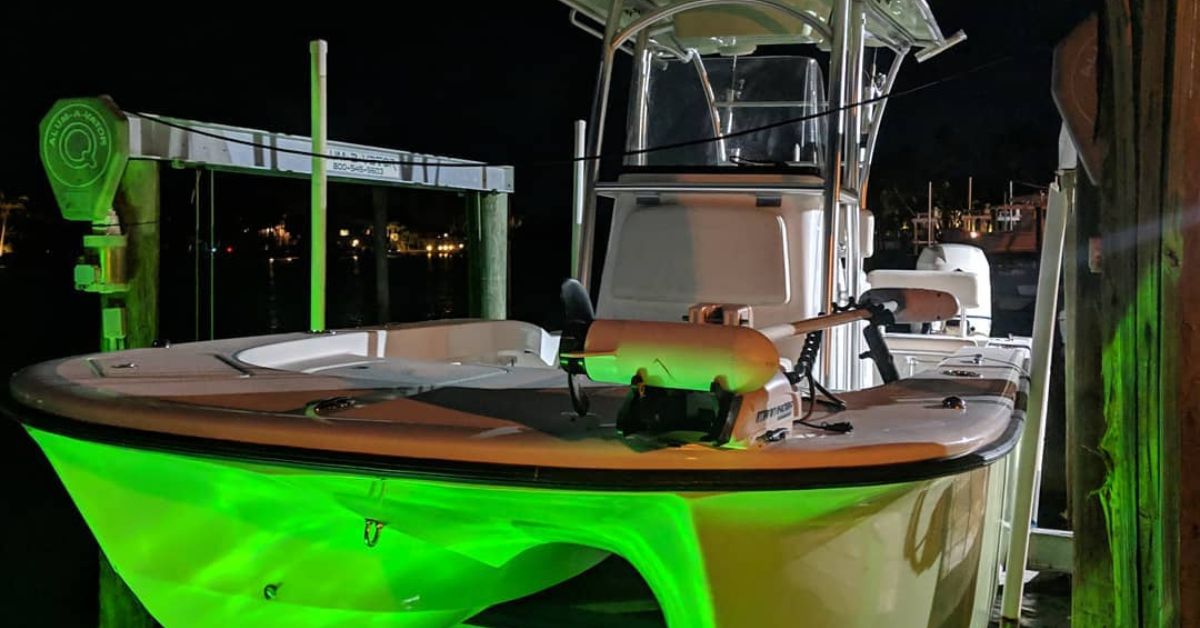
Once the baitfish congregate, it is only a matter of time before larger predatory fish arrive to hunt. Species like snook, tarpon, tuna, and crappies are known to stalk the edges of these light fields, waiting to ambush the smaller fish. By installing underwater lights, you essentially create a localized feeding frenzy right next to your boat. You can drop your line directly into the illuminated area or cast into the shadows just beyond the light where the big predators often lurk. Different colors of light work better in different water conditions; for instance, green light typically penetrates murky or nutrient-rich water better, while blue light travels further in clear, offshore waters.
Creating Ambience and Aesthetic Appeal
While function often drives boat upgrades, form plays a significant role in the decision-making process. There is no denying that a boat glowing from the waterline down looks impressive. It turns a standard vessel into a standout feature at the marina or the sandbar. This aesthetic upgrade allows you to set the mood for your evening. Crisp white lights can make the vessel look modern and clean, while deep blue or vibrant color-changing options can create a party atmosphere.
This visual appeal also adds to the vessel’s resale value. Potential buyers often view underwater lights as a premium addition that signals the boat has been well-maintained and upgraded with care. It distinguishes your boat from others on the market, suggesting a level of luxury and attention to detail that standard setups lack.
Choosing Between LED and Halogen Technologies
When you decide to equip your boat with underwater lighting, you will likely choose between LED and halogen or xenon bulbs. LED technology currently dominates the market for several good reasons. LEDs use much less power from your boat’s battery, allowing you to run them longer without draining the battery or keeping the engine running. They are also incredibly durable and resistant to the vibrations and pounding that occur when a boat runs through choppy water.
Halogen lights, while often cheaper initially, have largely fallen out of favor. They consume far more power and generate a significant amount of heat. This heat generation means you must submerge halogens in water to cool down. If you accidentally turn them on while the boat is out of the water, the bulbs can burn out in seconds or even damage the housing. LEDs, by contrast, run much cooler and have a lifespan that far exceeds traditional filament bulbs, making them the smarter long-term investment for most boaters.
Installation Considerations and Best Practices
Installing underwater lights requires careful planning and execution. The most common mounting styles are surface-mounted and through-hull. Surface-mounted lights are easier to install as they only require small holes for the power cables and mounting screws. They are a great option for smaller boats or transoms with limited interior access. Through-hull lights require cutting a larger hole in the boat to accommodate the light housing. While this sounds more invasive, through-hull lights typically sit flush with the hull, creating less drag and offering a cleaner look.
Regardless of the type you choose, proper sealing is non-negotiable. You must use high-quality marine sealants to ensure that no water can intrude into the hull laminate or the interior of the boat. Wiring is another critical aspect. You need to ensure the wire gauge is sufficient for the run length to prevent voltage drop, which can dim the lights or cause them to flicker. Many boat owners opt to have a professional handle the installation to maintain the structural integrity of the hull.
Navigating Legal Regulations
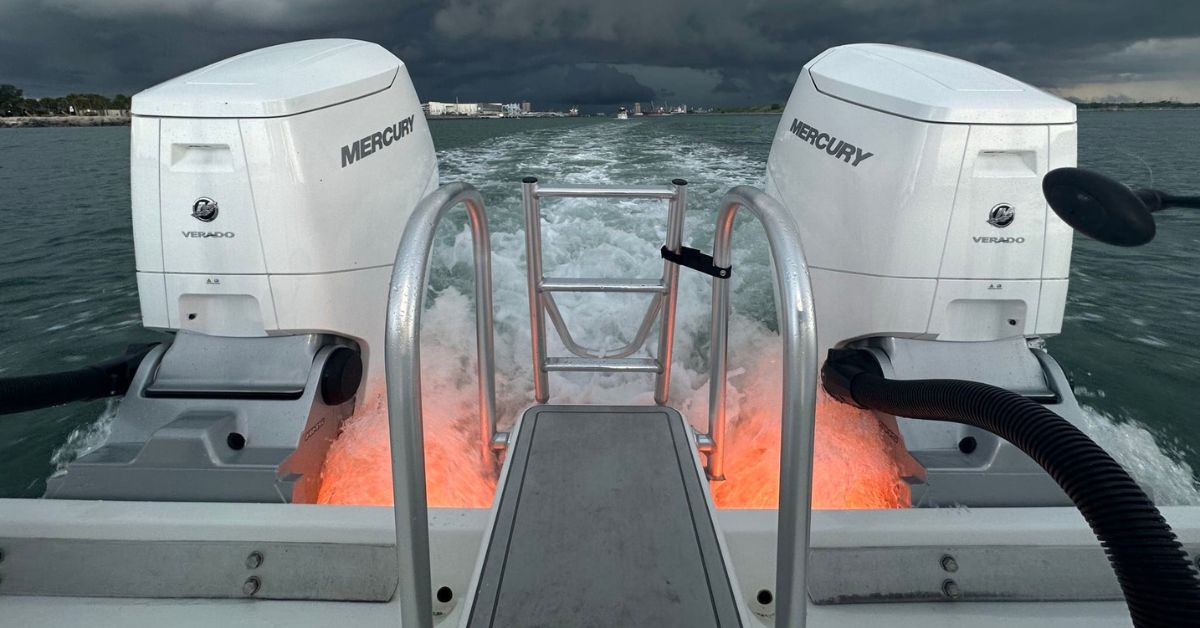
Before you flip the switch, you need to understand the legalities of using underwater lights. While generally legal to use while drifting or at anchor, regulations can vary significantly depending on your location and the local governing bodies. The US Coast Guard and local marine patrols enforce strict rules about lighting on moving vessels to prevent confusion.
For example, using blue underwater lights while underway can sometimes be confused with law enforcement vessels by other boaters. Similarly, flashing or strobing lights are often restricted as they can mimic distress signals. It is your responsibility to check local boating laws. The safest bet is to turn off your underwater lights while cruising and save them for when you’re fishing or anchored for the night.
Upgrade Your Experience on the Water
Investing in quality lighting for your vessel transforms night outings from daunting tasks into enjoyable adventures. You gain safety through visibility, a distinct advantage in fishing through biological attraction, and a vessel that looks stunning against the dark water. The benefits of adding underwater lights to your fishing boat clearly outweigh the initial effort of installation.
If you are looking for a vessel that can handle these upgrades and perform exceptionally in offshore conditions, consider Tideline Boats. As a premier offshore powerboat manufacturer, Tideline specializes in custom-built, high-performance catamaran fishing boats. We design our vessels with serious anglers in mind, offering the perfect platform for customization tailored to your unique needs on the water. Contact us to learn more.
