

Saltwater fishing offers an exciting challenge, drawing anglers of all skill levels to the open water in pursuit of their next big catch. The thrill of the fight and the beauty of the marine environment create an experience unlike any other. However, success in this demanding sport requires more than just a bit of luck.
Many beginners, and even some seasoned fishermen, find themselves returning to shore empty-handed due to simple, preventable errors. Understanding these common saltwater fishing mistakes to avoid is the first step toward improving your technique, increasing your catch rate, and making every trip on the water more rewarding.
Mistake #1: Not Checking Local Regulations
One of the most significant yet frequently overlooked aspects of saltwater fishing is the importance of local regulations. Fishing laws are in place for a crucial reason: to conserve fish populations and protect marine ecosystems for future generations. These rules can vary dramatically from one location to another and even change with the seasons. They often dictate the size and number of fish you can keep, specify which species are in-season, and designate restricted fishing areas.
Ignoring these regulations, whether intentionally or not, can lead to serious consequences, including hefty fines and the confiscation of your gear. Before you even think about casting a line, take the time to research the current rules for the area where you plan to fish. This information is usually available on state wildlife and fisheries websites or at local bait and tackle shops. Compliance keeps you on the right side of the law and demonstrates respect for fishing and the environment that sustains it. Being a responsible angler is just as important as being a successful one.
Mistake #2: Using the Wrong Gear
The diverse and often harsh conditions of saltwater environments demand gear that is up to the task. Showing up with equipment designed for freshwater fishing is a classic mistake that can lead to frustration and failure. Saltwater is highly corrosive, and gear not specifically built to withstand it will quickly degrade. Rods, reels, and lines intended for freshwater are often not strong enough to handle the size and power of many saltwater species.
Selecting the right equipment involves considering your target species and the specific environment you’ll be fishing in. A light-tackle setup that’s perfect for catching flounder in a calm bay will be no match for a large tarpon in the open ocean. Your rod should have the right action and power, your reel a smooth, reliable drag system, and your line the strength to handle the fight. Investing in quality, appropriate saltwater gear is a fundamental step toward success. It ensures your equipment can perform when it matters most.
Mistake #3: Ignoring Weather and Tides
The ocean is a dynamic environment, and its conditions can change rapidly. Failing to monitor the weather forecast and tide charts is a mistake that can ruin a fishing trip and put you in a dangerous situation. Weather affects fish behavior significantly. For example, some species become more active during an incoming tide, while others feed more aggressively just before a storm. High winds can make casting difficult and create hazardous waves, while a sudden temperature drop can send fish seeking deeper, warmer water.
Tides are equally important. The movement of water brings baitfish with it, which in turn attracts predator species. Fishing during the wrong tidal phase can mean casting into an area devoid of activity. Before heading out, always check a reliable marine forecast for wind speed and direction, potential storms, and wave heights. Consult a tide chart to plan your trip around peak feeding times, which often coincide with moving water. Being mindful of these natural patterns allows you to fish smarter, not just harder, and greatly increases your chances of finding where the fish are biting.
Mistake #4: Poor Bait and Lure Selection
Presenting the right offering is fundamental to enticing a fish to strike. A common error is using bait or lures that are not appropriate for the target species or the local conditions. One type of fish might completely ignore what works for another. The principle of “matching the hatch” is as relevant in saltwater as it is in freshwater fishing. This means choosing bait or a lure that mimics the natural food source of the fish you are trying to catch.
Observe the local baitfish in the area. Are they small and silvery? Or are they larger, like mullet? Your lure selection should reflect this. Similarly, if you are using natural bait, ensure it is fresh. Old or poorly preserved bait loses its scent and appeal, making it far less effective. Consider the water clarity and light conditions as well. On bright, sunny days in clear water, natural-colored lures are often more effective. In murky water or on overcast days, brighter or darker, contrasting colors can be more visible. Experimenting with different baits and lures is part of the learning process, but making an informed choice from the start will save you valuable time on the water.
Mistake #5: Improper Fish Handling
The moment of the catch is exhilarating, but what happens next is critically important, especially if you practice catch and release. Improper handling can injure a fish, reducing its chances of survival after you return it to the water. A common mistake is handling fish with dry hands, which can remove their protective slime coat and make them vulnerable to infection. Another is holding a heavy fish vertically by its jaw, which can damage its internal organs and spine.
When you bring a fish aboard, use a net made of soft, rubberized mesh to minimize harm. If you need to handle the fish, wet your hands first. Support its body horizontally with one hand under the belly and the other gently gripping the lower jaw. Work quickly to remove the hook using pliers or a dehooking tool. If you plan to take photos, do so immediately and then release the fish back into the water as soon as possible. By practicing safe handling techniques, you contribute to the health of fish populations, ensuring that anglers can enjoy the thrill of the catch for years to come.
Prepare for Success on the Water
Avoiding these common saltwater fishing mistakes will dramatically improve your success rate and overall enjoyment of the sport. Every trip is a learning opportunity, and by focusing on preparation, proper technique, and responsible practices, you can become a more effective and conscientious angler.
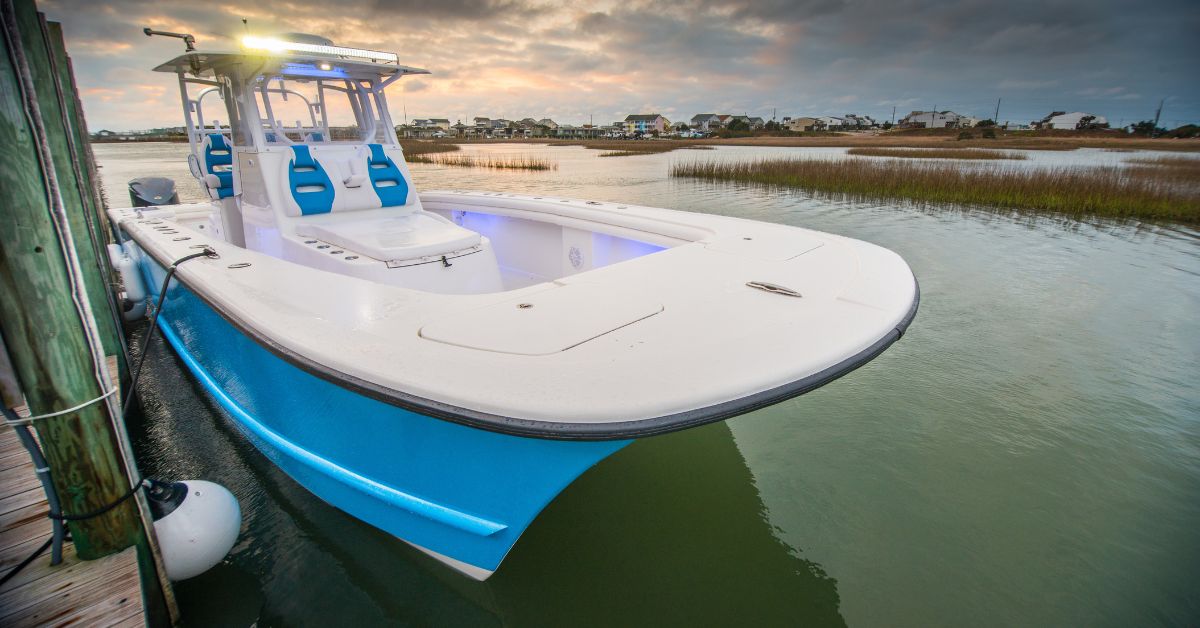
True mastery comes from experience, and part of that experience is having the right vessel to get you to the best fishing spots safely and efficiently. A custom-built, high-performance catamaran bay boat from Tideline Boats provides the stability, speed, and shallow water access needed to take your fishing adventures to the next level. Contact us to schedule a sea trial today!
