

Landing a trophy fish in deep waters is thrilling, but that excitement can quickly fade if your catch spoils before reaching shore. Offshore fishing trips can last hours or days, making proper preservation essential to maintain quality and flavor. The difference between restaurant-quality fish and something inedible lies in how you handle it from the moment it hits the deck.
Fish begin deteriorating immediately after death. Warm conditions accelerate bacteria growth, tissue breakdown, and flavor loss. By knowing how to keep offshore fish fresh on your boat, you can ensure your catch stays delicious until you return to port.
Essential Equipment for Offshore Fish Preservation
High-Quality Cooler Selection
Your cooler is an essential component of your fish preservation system. Marine-grade coolers with thick insulation walls maintain temperature longer than standard models. Look for coolers with heavy-duty latches, reinforced hinges, and drain plugs positioned at the bottom corners for complete water removal. Rotomolded construction provides superior durability against the harsh marine environment while offering exceptional ice retention.
Size matters when selecting your cooler. A cooler that’s too small forces you to pack fish tightly, preventing proper ice circulation. Conversely, an oversized cooler requires more ice to maintain temperature, wasting valuable storage space on your boat. Calculate roughly one pound of ice per pound of fish, plus additional ice for maintaining temperature throughout your trip.
Ice Types and Their Applications
Slurry ice, created by mixing ice with seawater, provides the fastest cooling method for freshly caught fish. This semi-liquid mixture surrounds the fish completely, ensuring rapid temperature reduction. The salt water prevents the ice from freezing solid while maintaining a temperature just below freezing.
Block ice lasts longer than cubed ice but takes more time to cool fish initially. Cubed ice melts faster but provides immediate cooling benefits. Many experienced anglers combine both types, using cubed ice for immediate cooling and block ice for long-term temperature maintenance.
Gel packs offer reusable convenience and won’t create water as they thaw. However, they don’t provide the same rapid cooling effect as traditional ice. Reserve gel packs for supplementing your primary ice supply or keeping already-cooled fish at proper temperatures.
Specialized Tools
A sharp gaff helps you land fish quickly, reducing stress and preserving meat quality. Prolonged fighting causes lactic acid buildup in fish muscles, affecting flavor and texture. Clean, quick kills produce better-tasting fish.
Marine-grade gloves protect your hands while providing better grip when handling slippery fish. Cut-resistant varieties offer additional safety when working with sharp fins and teeth.
A razor-sharp fillet knife designed for marine use maintains its edge in saltwater conditions. Stainless steel blades resist corrosion while holding a keen edge necessary for clean cuts that preserve fish quality.
Step-By-Step Fish Preservation Process
Immediate Bleeding Techniques
Bleeding fish immediately after capture removes blood from the meat, preventing off-flavors and discoloration. Make a deep cut behind the gills and across the throat, severing major blood vessels. Hold the fish head-down to encourage blood drainage or place it in a saltwater-filled container to facilitate the bleeding process.
Larger fish like tuna require different bleeding techniques. Insert a sharp knife into the base of the skull, severing the spinal cord for instant death. Then make cuts behind the gills and at the base of the tail to create blood flow pathways.
Proper Gutting and Cleaning
Remove internal organs promptly to prevent bacteria from spreading throughout the fish. Make a shallow incision from the vent to just below the gills, being careful not to puncture internal organs. Remove all organs, paying special attention to the kidney line along the backbone.
Rinse the body cavity thoroughly with clean seawater to remove blood and residual organs. Some anglers prefer to remove gills as well, as they contain blood that can affect taste. Clean fish immediately show better preservation results than those left whole.
Rapid Chilling Methods
Pack cleaned fish in ice immediately after processing. Layer ice below, around, and on top of each fish, ensuring complete contact. Avoid stacking fish directly on top of each other without ice separation, as this creates warm spots that encourage bacterial growth.
Position fish belly-down in the cooler to prevent water from pooling inside the body cavity. Cover completely with ice, then add a layer of wet towels or newspaper to insulate the top layer from warm air when you open the cooler.
Maintaining Optimal Freshness Throughout Your Trip
Temperature Management
Keep your cooler out of direct sunlight and cover it with wet towels or specialized cooler covers. Sunlight rapidly increases internal temperature, causing ice to melt faster and compromising fish quality. Position coolers in shaded areas of your boat or create shade with tarps or umbrellas.
Monitor internal temperature regularly using a waterproof thermometer. Fish stay freshest at temperatures between 32-38°F. Temperatures above 40°F accelerate bacterial growth and enzyme activity that degrades fish quality.
Cooler Organization
Avoid overfilling coolers, which prevents proper ice circulation and creates pressure that can damage fish. Leave space for ice movement around all surfaces of your catch. This circulation maintains consistent temperature throughout the cooler.
Open coolers only when necessary to prevent warm air from entering. Each opening raises internal temperature and forces your ice to work harder to maintain proper conditions. Plan cooler access to minimize exposure time.
Ice Replenishment
Monitor ice levels throughout your trip and replenish as needed. Melted ice water actually helps maintain temperature if it stays cold but avoid letting water levels get too high as fish sitting in warm water deteriorate quickly.
Drain excess water periodically but leave some ice water to maintain contact cooling. The key is keeping water cold rather than eliminating it completely.
Advanced Preservation Techniques
Refrigerated Seawater Systems
Refrigerated seawater (RSW) systems circulate chilled seawater around fish, maintaining consistent temperature while keeping fish moist. These systems work particularly well for longer trips or when targeting large quantities of fish. The circulating water prevents fish from drying out while maintaining optimal temperature.
Professional fishing operations rely heavily on RSW systems for their superior preservation capabilities. The constant circulation prevents hot spots while the seawater maintains fish moisture content better than ice alone.
Vacuum Sealing Applications
Vacuum sealing removes air that contributes to oxidation and bacterial growth. Use this technique for fish you will store for extended periods or transport long distances after your trip ends.
Remove all air from bags and seal tightly to prevent contamination. Vacuum-sealed fish maintain quality longer than conventionally stored fish, making this technique valuable for anglers who process large catches or need to preserve fish for extended periods.
Making the Most of Your Offshore Adventures
Knowing how to keep offshore fish fresh on your boat is crucial. Proper fish preservation techniques transform your offshore fishing success into memorable meals that capture the true taste of fresh-caught fish. These methods work regardless of your target species or trip duration, giving you confidence that your catch will maintain peak quality from boat to table.
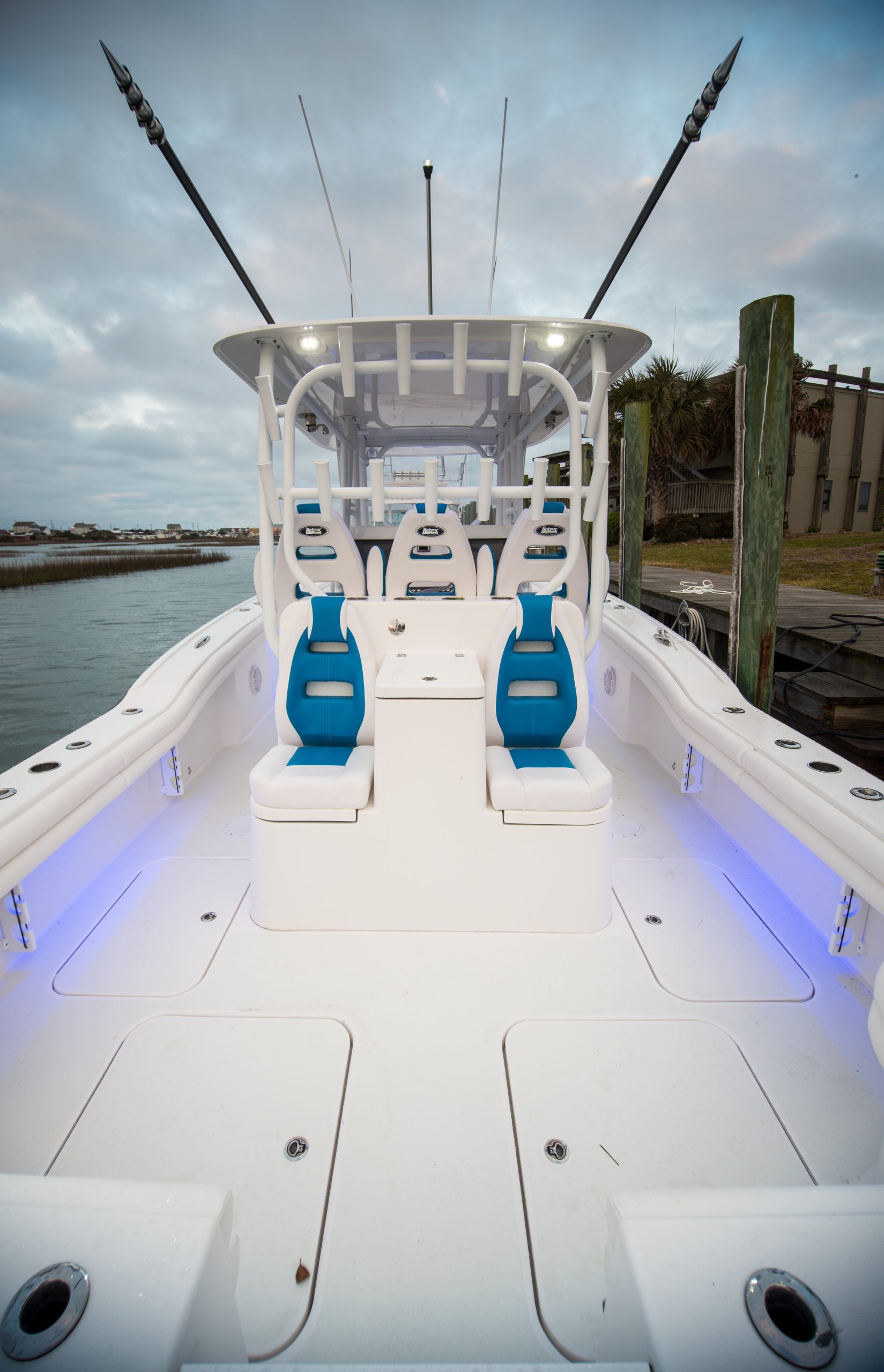
At Tideline Boats, we understand the importance of proper fish storage in offshore fishing success. Our custom hybrid center console boats, including the Tideline 235 Hybrid, feature insulated fish boxes designed specifically for serious anglers. Rigged with twin engines and large fuel capacity, our boats provide the range and comfort needed for extended offshore trips. When you’re serious about offshore fishing, having the right boat with proper fish storage capabilities makes all the difference in bringing home restaurant-quality catches. Schedule a sea trial today.
