

Deciding on the right fishing boat can feel like a major undertaking. The market has so many options, but the choice often comes down to two primary hull designs: catamarans and monohulls. Understanding the difference between fishing catamarans vs. monohull boats is the first step toward finding the vessel that best matches your angling ambitions and lifestyle. Learn about the key characteristics of each, helping you make an informed decision for your next on-the-water adventure.
What Is a Fishing Catamaran?
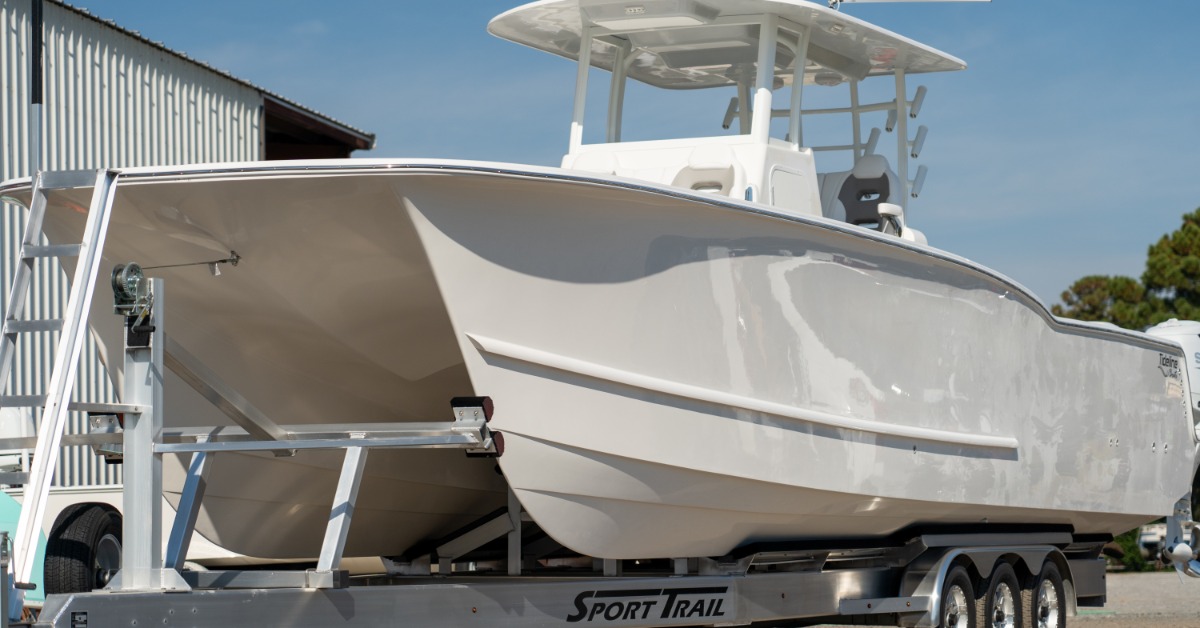
A fishing catamaran is a boat with two parallel hulls, often referred to as a “twin-hull” or “multi-hull” vessel. This design is what sets it apart from traditional boats. A deck connects the space between the two hulls, which creates a wide and stable platform. Originally popular in the Pacific for their stability in open waters, catamarans have been adapted for recreational fishing, offering a unique set of advantages for anglers who venture offshore. Their design philosophy centers on creating a smooth ride and providing ample space for fishing activities.
Characteristics of a Catamaran
The dual-hull structure is the most defining feature of a catamaran. This design allows the boat to ride on top of the water rather than cutting through it, which significantly affects its handling and performance. The wide beam, or the width of the boat, provides a generous amount of deck space, making it feel larger than a monohull of the same length. This extra space is great for fishing, allowing room for gear, multiple anglers, and free movement while casting or reeling in a catch.
What Is a Monohull Boat?
A monohull boat is what most people picture when they think of a boat. It features a single hull that sits in the water. This traditional design has undergone refinement for centuries and now serves a vast range of watercraft, from small dinghies to massive cargo ships. For fishing, monohull boats are incredibly popular and come in various shapes and sizes, including center consoles, walkarounds, and cuddy cabins. Their design focuses on cutting through the water, which gives them a distinct feel and set of performance characteristics that many boaters are familiar with.
Characteristics of a Monohull
The V-shaped or rounded bottom of a monohull is its core feature. This shape allows it to displace water and slice through waves. In turns, a monohull will lean or bank, a sensation that seasoned boaters find intuitive and exciting. They typically have less deck space than same-length catamarans due to a narrower beam. However, their interior volume is often generous, allowing for more below-deck cabins and storage. The monohull builds its legacy on its versatility and predictable handling across different water conditions.
Stability and Handling
One of the most significant differences between these two boat types is how they handle on the water. A catamaran’s wide stance gives it exceptional initial stability. When at rest or trolling slowly, it tends to rock less from side to side, providing a very steady platform. This is a huge benefit for anglers who are standing and casting, as it reduces fatigue and the risk of losing balance in choppy seas. In turns, a catamaran stays relatively flat, which can feel unusual to those accustomed to monohulls.
A monohull, on the other hand, leans into turns, much like a bicycle. This banking motion can feel more natural and dynamic to many boaters. While it has good secondary stability, meaning it can recover well from large rolls, its initial stability is lower than a catamaran’s. This results in more side-to-side rocking when drifting or at anchor. The ride in a monohull can also be rougher in a head sea, as its single hull must cut through each wave it encounters.
Space and Comfort
When it comes to usable deck space, the catamaran is often the clear winner. Its rectangular shape provides a wide, open area from bow to stern. This translates to more room for fishing, storing coolers, and accommodating family and friends. The layout allows for multiple anglers to fish simultaneously without getting in each other’s way. The catamaran’s stability enhances comfort by reducing the rolling motion that often causes seasickness.
Monohulls generally have a narrower beam, which limits the amount of open deck space. However, their single, deeper hull often allows for more spacious below-deck accommodations. For anglers who also want a comfortable cabin for overnight trips or getting out of the weather, a monohull can offer more options in terms of layout and amenities. The comfort of a monohull’s ride is often dependent on the specific hull design and water conditions, with some deep-V hulls providing a very smooth ride in rough water.
Performance and Fuel Efficiency
Performance is another area where these two designs diverge. Because catamarans ride on top of the water and have less hull surface area submerged, they often experience less drag. This can lead to better fuel efficiency, especially at cruising speeds. Powered by twin engines, one on each hull, they also have excellent maneuverability at low speeds, as you can operate the engines independently to pivot the boat in tight quarters. In choppy seas, the two hulls can work to smooth out the ride, preventing the pounding motion common in some monohulls.
Monohulls require more power to get on plane because they have to push a larger volume of water out of the way. This can sometimes result in lower fuel efficiency compared to a similarly sized catamaran. However, their single-engine configurations can be simpler and less costly to maintain. A monohull offers responsive handling at high speeds, with its ability to bank into turns providing a dynamic and engaging experience for the driver.
Price and Maintenance
Historically, catamarans have come with a higher price tag than monohulls of similar length. The complexity of building two hulls and a connecting deck structure contributes to the increased cost. Maintenance can also be more expensive, as you have two engines and two separate hull systems. Finding a slip at a marina that can accommodate a catamaran’s wide beam can sometimes be a challenge as well.
Monohulls are generally more affordable to purchase and maintain. Their widespread popularity means there is a huge market of new and used boats available at various price points. The maintenance of a single engine and hull system is typically more straightforward and less costly. Since their design is standard, finding marina space or a trailer that fits is rarely an issue.
Find the Right Boat for Your Adventures
At Tideline Boats, we specialize in crafting custom-built, high-performance offshore boats that deliver an unparalleled experience on the water. We understand the difference between fishing catamarans vs. monohull boats, and we have dedicated ourselves to perfecting the catamaran design to meet the precise demands of serious anglers. Our boats combine the stability and smooth ride of a twin-hull design with the performance and quality you need to tackle any offshore challenge. Explore our models to see how a Tideline catamaran can elevate your fishing adventures.
