

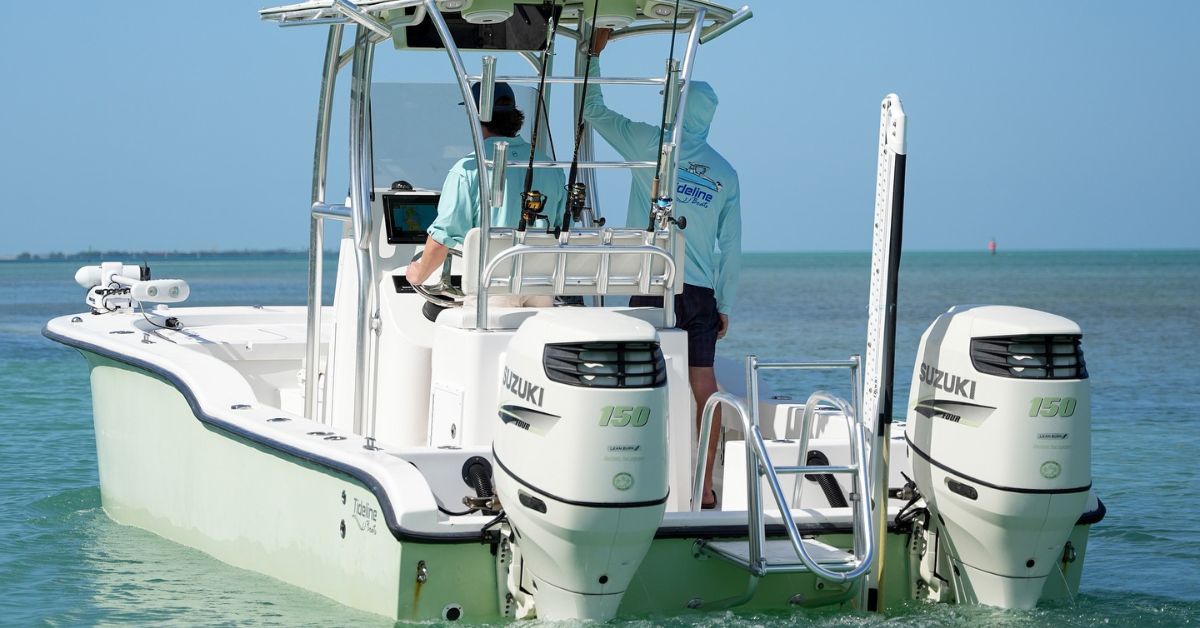
Few things are as frustrating as turning the key on your boat and hearing nothing but silence or a sputtering cough. Whether you are miles offshore chasing tuna or just leaving the dock for a family cruise, engine trouble can ruin a day on the water faster than a sudden thunderstorm. While modern outboard engines are marvels of engineering reliability, they are not immune to issues.
Understanding the basics of how your motor works and knowing how to diagnose common problems can save your weekend and potentially thousands of dollars in repair bills. This resource serves as an expert’s guide to troubleshooting your outboard engine, offering practical solutions to get you back underway.
Diagnosing Starting Problems
The most frequent issue boaters encounter is an engine that simply refuses to start. You turn the key, and either nothing happens, or the engine cranks but fails to ignite.
Kill Switch Lanyard
The first place to look is always the kill switch lanyard. It sounds simple, but many seasoned captains have spent hours troubleshooting complex systems only to realize the safety lanyard was not properly engaged. Securely attach the clip to the kill switch mechanism.
Electrical System
If the lanyard is secure and the engine still does not crank, the issue likely lies within the electrical system. Check the battery switch to ensure it is in the “on” position. If it is, check the battery connections. Loose or corroded terminals prevent the necessary current from reaching the starter. Tighten the wing nuts with pliers and clean any corrosion with a wire brush. If the connections are solid, the battery itself might be dead. A multimeter can confirm if the voltage is sufficient. A fully charged marine battery should read around 12.6 volts.
Fuel System
When the engine cranks strongly but does not start, the problem is usually fuel related. Check the fuel primer bulb. It should feel firm. If it is soft, squeeze it until it becomes hard. This action forces fuel into the engine. If the bulb never gets hard or collapses while the engine is running, you likely have a fuel obstruction or a bad primer bulb. Also, verify that the fuel tank vent is open. A closed vent creates a vacuum that prevents fuel flow. Finally, check the fuel filters. Water in the fuel or debris clogging the filter will prevent combustion. Most modern outboards have a clear fuel-water separator bowl that allows you to see if water has settled at the bottom.
Addressing Overheating Issues
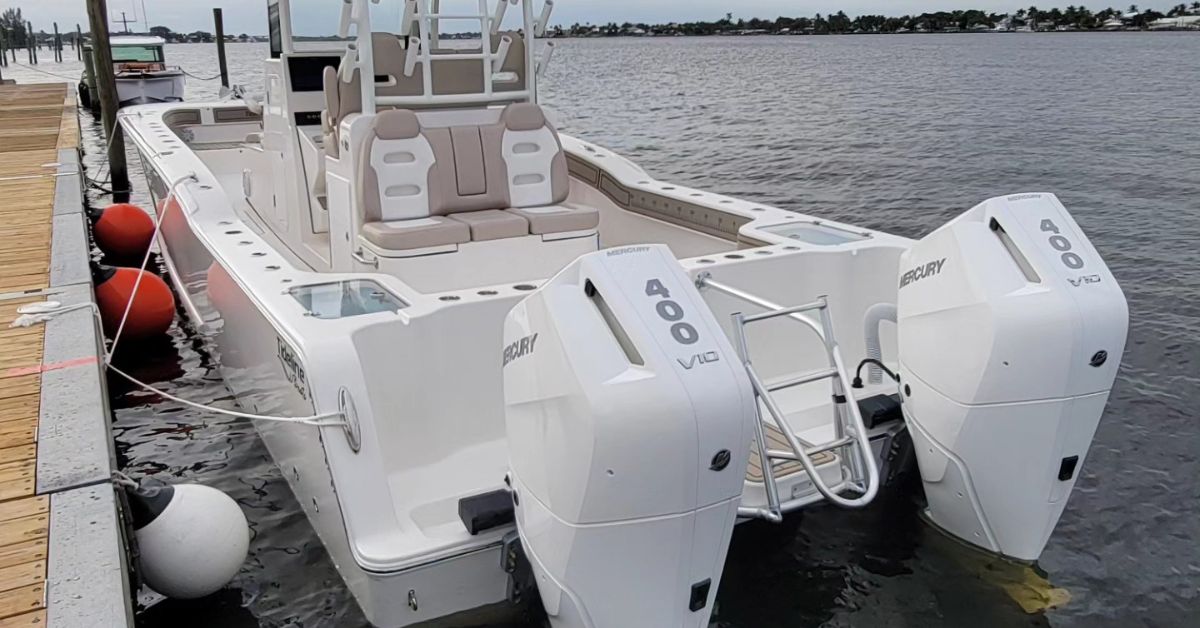
Overheating is a serious condition that can cause catastrophic engine failure if ignored. Most outboards rely on raw water cooling, meaning they pull water from the lake or ocean to cool the powerhead. If the temperature alarm sounds or you notice steam rising from the cowling, shut the engine down immediately.
Water Intake Screens
The most common culprit for overheating is a blockage in the water intake screens. These screens are located on the lower unit of the engine. Plastic bags, seaweed, or mud can easily cover these intakes, starving the engine of cooling water. Tilt the engine up and inspect the intakes. Clear any debris you find.
Water Pump Impeller
If the intakes are clear, the next suspect is the water pump impeller. This rubber vane pump circulates water through the engine. Over time, the rubber becomes brittle or takes a “set” if left sitting too long, reducing its efficiency. A tell-tale sign of a failing impeller is a weak or non-existent stream of water coming from the pilot hole on the back of the engine. Replacing an impeller is a standard maintenance task, but if it fails while you are on the water, you will need to get a tow.
Thermostats
Sometimes the issue is not the supply of water but the regulation of it. Thermostats control the flow of water through the engine block. If a thermostat gets stuck in the closed position, hot water remains trapped in the engine, causing rapid overheating. Saltwater boaters face this issue more often due to salt buildup and corrosion.
Managing Vibrations and Rough Running
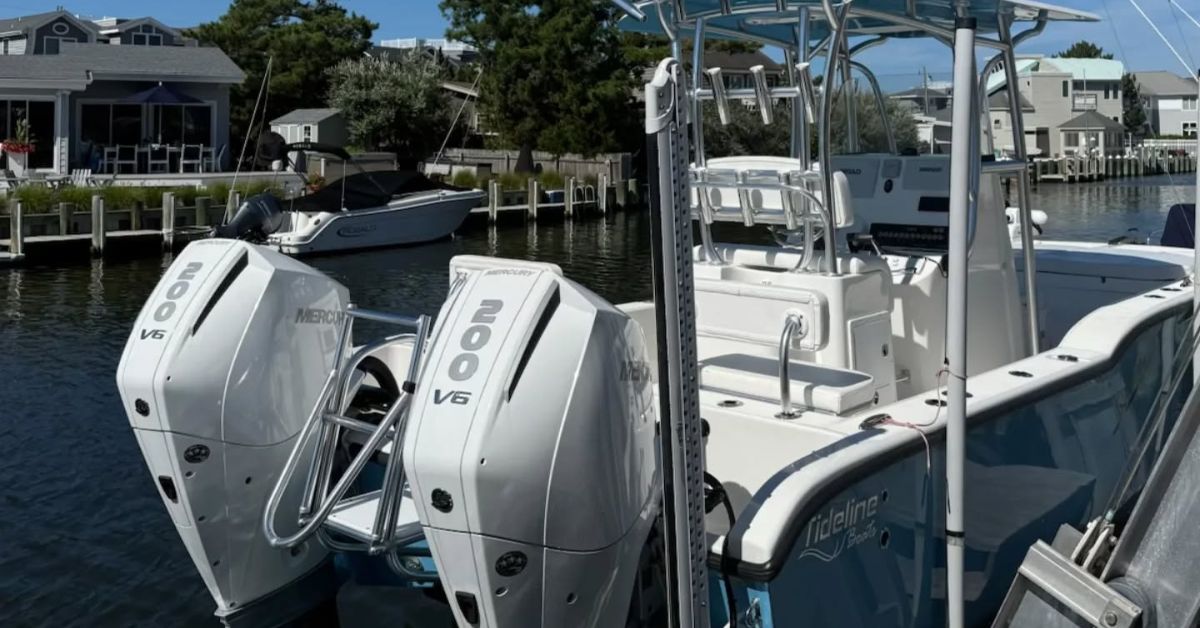
An engine that runs rough or vibrates excessively makes for an unpleasant ride and indicates something is out of balance. Ignoring these symptoms can lead to more severe mechanical problems down the line.
Propeller
The first thing to check is the propeller. A bent blade or a fishing line wrapped around the prop shaft can cause severe vibration. Tilt the engine and inspect the prop carefully. Even a minor bend can cause significant vibration at high RPMs. Remove the propeller to check for fishing line behind the thrust washer, as this can damage the prop shaft seal and let water into the lower unit gearcase.
Spark Plugs
Spark plugs are another common source of rough running. A fouled spark plug (from carbon or oil) or a cracked ceramic insulator will cause that cylinder to misfire. This results in a loss of power and a rough idle. Remove the spark plugs and inspect their condition. They should have a light tan color. If they are black and oily or white and blistered, you need to replace them.
Fuel Quality
Fuel quality also plays a huge role in how smoothly an engine runs. Ethanol-blended fuel attracts moisture from the air, which can undergo phase separation. This creates a layer of water and ethanol at the bottom of the tank, which is highly corrosive and will not burn. Using a fuel stabilizer with every fill-up helps prevent this, but if bad fuel is already in the system, you must drain the tank and change the filters.
Mastering Your Vessel
Your confidence in handling mechanical issues directly impacts your enjoyment of the boat. At Tideline Boats, we understand this dynamic. We design offshore center console boats like the Tideline 365 Offshore to be robust and reliable, minimizing the likelihood of mechanical failures through superior engineering and layout.
Our catamaran hulls offer exceptional stability and comfort, and we lay out our systems with accessibility in mind, which makes maintenance easier for you. Pairing a quality vessel with an expert guide to troubleshooting your outboard engine ensures you spend your time on the water fishing and relaxing, not drifting and stressing. Schedule a sea trial today to learn more.
